Bodiam Buffalo Tractors



ESSENTIAL TRACTOR MAINTENANCE
1. Greasing Your Tractor
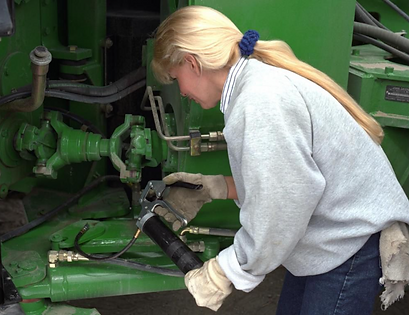
A tractor should be greased to reduce friction, prevent wear, and protect against contaminants and corrosion. This extends the life of moving parts, ensures smooth operation, and prevents costly breakdowns in harsh conditions.
What to do?
Thoroughly grease a tractor at least once every week:
-
Check and clean greasing points first and use the right grease (read your manual).
-
Apply grease in small amounts until slight oozing and wipe excess to prevent dirt buildup.
-
Pay particular attention to load bearing pivot points like the front axle or the PTO shaft (daily greasing).
2. Engine Oil and Filter Change
Regular oil changes keep your tractor’s engine running smoothly by reducing wear and tear on moving parts.
The oil and oil filter of your tractor should be changed after every 250hrs of operation.
What to do?
-
Check the engine oil level (on flat ground) before each use of the tractor.
-
Make sure the dipstick is clean before replacing.
-
Replace oil and filters after every 250 hours of use.
-
Use high-quality oils suited to your tractor's working conditions - see manufacturer's recommendations.
Top tip: Neglecting oil changes can lead to engine overheating and cause costly repairs.
3. Air Filter Cleaning/Replacement
Dust and debris can clog the air filter, reducing engine efficiency and increasing fuel consumption. A clean air filter ensures proper airflow, which is need for efficient engine operation.
What to do?
-
Inspect and clean the air filter every 50-100 hours, especially in dusty conditions.
-
Replace the filter if it's clogged or damaged.
Top tip: Farmers working in dry, dusty fields should inspect air filters more frequently to avoid clogging.
4. Cooling System Check
Overheating is a common issue in tractors, especially during heavy-duty operations. The cooling system, including the radiator and coolant, must be checked regularly.
What to do?
-
Inspect coolant levels and top up if needed.
-
Clean radiator fins to remove debris and prevent dirt buildup.
-
Check coolant hoses for leaks or cracks.
Top tip: A well-maintained cooling system prevents engine overheating and prolongs tractor life.
5. Hydraulic System Maintenance
The hydraulic system powers implements and attachments, making it crucial to keep it in top condition. Low or dirty hydraulic fluid can affect performance and lead to component failure.
What to do?
-
Check hydraulic fluid levels and top up when needed.
-
Inspect hoses and fittings for leaks.
-
Change hydraulic filters as recommended by the manufacturer.
Top tip: Contaminated hydraulic fluid can damage sensitive components, so always use clean fluid.
6. Tire Inspection and Pressure Adjustment
Proper tire maintenance improves traction, fuel efficiency, and overall safety. Under-inflated tires increase fuel consumption and reduce load-carrying capacity.
What to do?
– Check tire pressure regularly and adjust according to load and terrain.
– Inspect tires for cracks, cuts, and uneven wear.
– Rotate tires periodically for even wear.
Top tip: Proper inflation is crucial for minimizing soil compaction in fields.
7. Battery Maintenance
A well-maintained battery ensures reliable starts and uninterrupted operation, especially in colder months. Corrosion or a low charge can lead to downtime.
What to do?
– Clean terminals to prevent corrosion.
– Check electrolyte levels (for non-sealed batteries).
– Keep the battery fully charged, especially during off-season storage.
Top tip: A weak battery can fail at the worst times, so regular checks are essential.